
Mid-Century Glamour sits at an interesting intersection, where polish meets playfulness. The 1950s weren’t trying to be theatrical. They were practical. Women wanted clothes that looked intentional but didn’t feel like costumes, and designers delivered exactly that. Elevated femininity, yes, but the kind you could actually wear.
The 1950s Silhouette
After years of wartime austerity, fashion regained its footing. Shape mattered. Proportion mattered. Details you might not notice at first glance but would definitely miss if they weren’t there. Hourglass silhouettes and structured tailoring conveyed something beyond style—confidence, optimism, a sense that things were looking up. Yet these pieces remained remarkably approachable for daily life.
The cyclical nature of fashion explains why designers continually revisit the 1950s. There’s something about those proportions and that visual language that just works. Cinched waists, full skirts, carefully considered accessories, they offer clarity in an industry that thrives on constant reinvention. Which, when you think about it, makes them stabilising.

Vintage styles carry weight beyond aesthetics. They reflect craftsmanship standards that don’t always align with today’s production speeds, social values embedded in how garments were constructed, and a slower, more deliberate approach to making clothing. That combination of familiarity and adaptability keeps mid-century glamour feeling relevant rather than merely nostalgic.
The 1950s Style Codes Designers Keep Reimagining
Certain elements from 1950s fashion make recurring appearances in modern collections. A-line dresses and skirts. Full skirts paired with fitted tops. Peplum details that create shape without adding bulk. Corset-style waists. Coordinated two-piece sets. All trace their DNA back to this period.

Contemporary designers don’t copy these forms directly, they adapt them. Lighter fabrics replace heavier wools. Tailoring gets loosened just enough to accommodate modern movement. Construction simplifies without sacrificing the essential silhouette. The result? Vintage-inspired shapes that actually work with contemporary lifestyles rather than fighting against them.
More romantic touches appear, too. Softer shoulders than those of the 1940s were offered. Lace accents are used strategically rather than decoratively. Delicate prints that show restraint, emphasizing subtle texture over obvious ornamentation. Today’s versions understand that less can convey more, particularly when the underlying structure is sound.
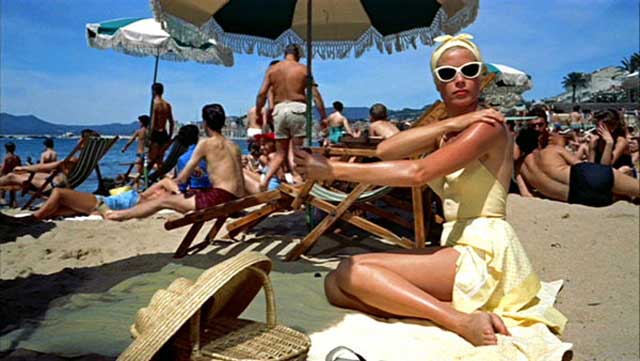
Accessories complete the picture, though they’ve evolved. Cat-eye sunglasses remain recognizable but less exaggerated. Structured handbags maintain their shape while eliminating unnecessary embellishments. Ankle-strap shoes and wood-accented heels continue to appear, often paired with minimalist clothing to create that productive tension between classic and contemporary aesthetics.
The challenge? Quality costs. Precise tailoring, durable fabrics, and refined hardware—particularly for accessories and footwear—push prices up, creating an interesting problem for anyone drawn to enduring design but working within real-world budgets. Part of the appeal for items like this involves their longevity, but that doesn’t help when staring at price tags.
Thoughtful strategies help. Prioritizing investment staples—a well-cut A-line silhouette, a structured handbag, classic ankle-strap heels—typically yields better long-term value than chasing whatever’s trending this season. Cost-per-wear thinking helps too, reframing higher upfront prices by considering how many times (and for many years) a piece will actually get worn.
Bergdorf Goodman – Mid-Century Style Aesthetics

Within this broader landscape, Bergdorf Goodman represents one option for exploring luxury interpretations of mid-century aesthetics. The retailer stocks both heritage designers and contemporary voices working within this visual language. More practically, promo codes available through Bergdorf Goodman can significantly reduce costs, functioning as one of several tools for making high-quality, timeless pieces more attainable without compromising on construction or design integrity.
Timeless Pieces That Outlast Trends—and What They Teach Modern Design
.JPG)
Certain items keep resurfacing because they solve both aesthetic and functional problems. The structured handbag endures because it elevates simple outfits while remaining genuinely practical, not just aspirational. A-line dresses and skirts remain popular due to their flattering proportions and versatility across seasons, eliminating the need for separate versions for spring versus fall.
Cat-eye frames for eyeglasses continue to offer a strong visual identity. They balance playfulness with sophistication in ways that feel specific, but not costume-y. Ankle-strap shoes provide stability and elegance without tipping into evening-wear territory. Lace detailing and two-piece sets regularly reappear in modern wardrobes due to their versatility—dress them up or dress them down, they accommodate both styles.
Opera gloves occasionally return as statement accents, though their appearance feels more occasional. They reference heritage without dominating an outfit, which explains both their appeal and their limited frequency. Not every element from mid-century glamour translates equally well to contemporary contexts, and that’s fine.
These items keep coming back, and the reason isn’t complicated. Designers adapt familiar forms to new materials and construction methods. What worked in 1955 doesn’t work unchanged now—lifestyles are different, bodies move differently, expectations have shifted. But the underlying ideas? Those hold up.
Mid-century glamour proves that good proportions and quality construction have staying power. Maybe “outlast trends” overstates it—fashion cycles through everything eventually. But these elements resurface often enough that building a wardrobe around them actually makes sense.
The practical approach involves exploring silhouettes across different brands and price points, comparing details, then investing in a small rotation of pieces that work multiple ways. Nothing revolutionary about that strategy. But it builds wardrobes that function in real life—getting dressed on Tuesday mornings, not just in carefully curated Instagram posts. And that distinction matters more than most fashion writing admits.
That’s all ! © Glamourdaze
This post contains a parid partner link.