
Few garments have held their place in men’s wardrobes as stubbornly as the men’s suit. Its basic
formula of jacket and matching trousers has barely changed in a century, yet each decade
reshaped its proportions to reflect the mood of the time. From the roaring twenties to the
flamboyant seventies, the suit tells a story of prosperity, war, rebellion and reinvention. Here is
how the silhouette shifted between 1920 and 1970, and what those eras still offer today’s
dressers.
The 1920s: youth and freedom
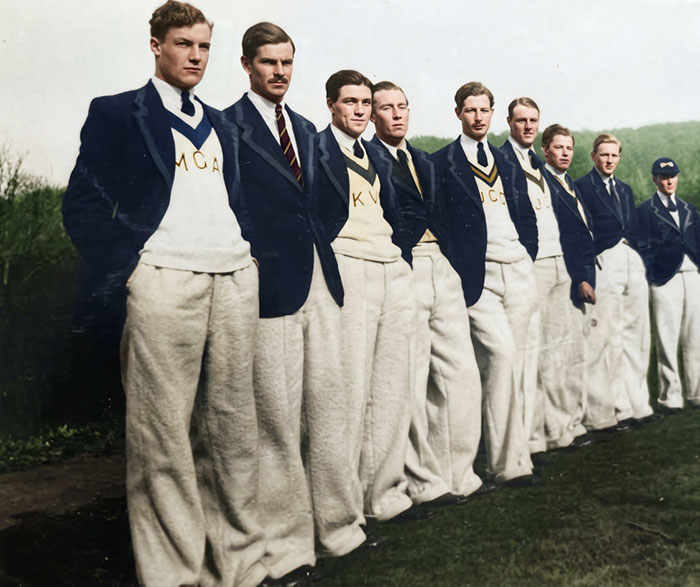
After the First World War, men’s clothing loosened up. The rigid, high-buttoned styles of the
Edwardian era gave way to softer jackets with natural shoulders and a slimmer waist. Three-
piece suits remained standard, often in tweed, flannel or pinstriped wool. By the middle of the
decade, students at Oxford popularized extremely wide trousers, soon known as Oxford bags, a
playful rejection of formality that spread across Britain and the United States.
The 1930s: the drape cut
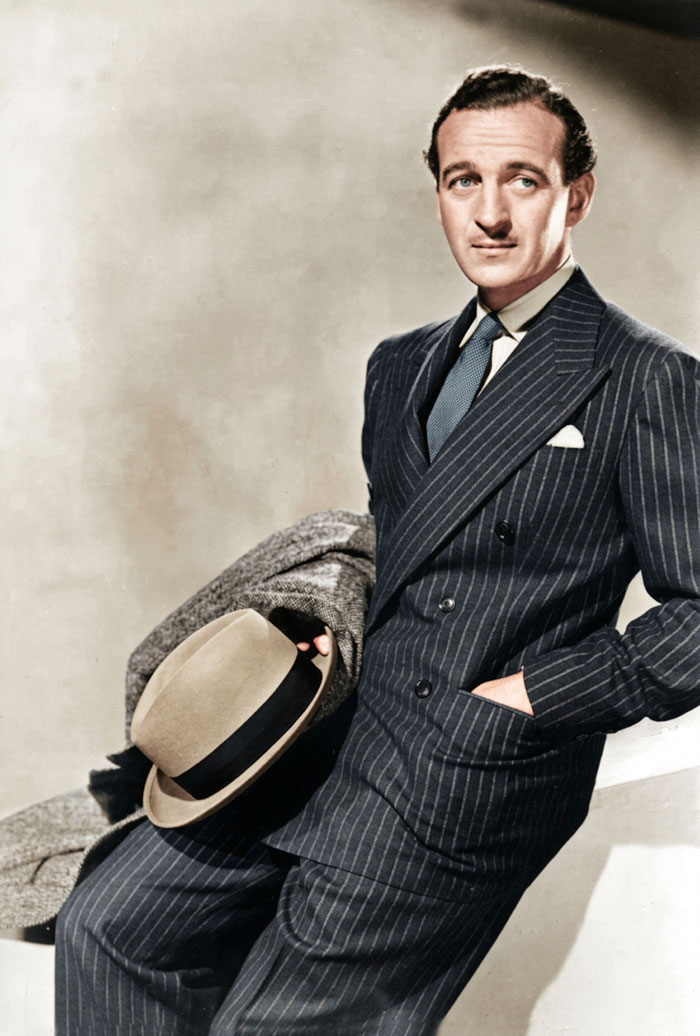
The Depression years produced one of the most admired silhouettes in tailoring history. The so-
called drape cut, developed by London tailors and embraced by Hollywood, featured broad
shoulders, a fuller chest and a nipped waist, creating a powerful V-shaped figure. Trousers were high-waisted and pleated, often worn with braces. Double-breasted jackets became especially fashionable, and film stars made the look aspirational worldwide.
The 1940s: rationing and rebellion
The Second World War brought fabric restrictions on both sides of the Atlantic. In the United
States, government regulations limited details such as trouser cuffs and extra pockets to save
cloth, while Britain introduced utility clothing with simplified designs. Returning British servicemen
received a so-called demob suit, a practical civilian outfit issued on leaving the forces.
The zoot suit
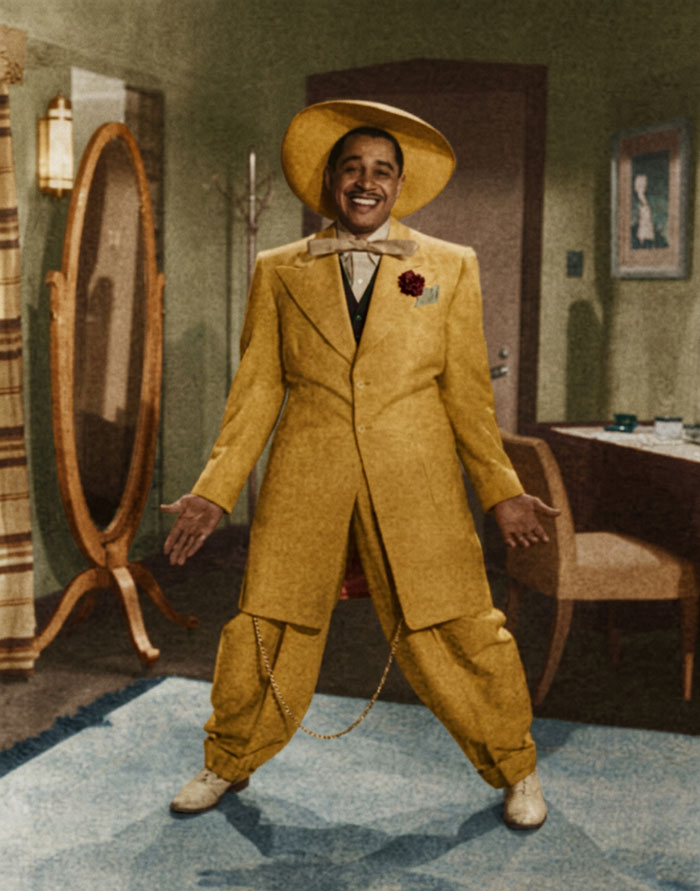
In defiance of rationing, the zoot suit emerged among young men in jazz and dance culture,
particularly in African American and Mexican American communities. Its long jacket, exaggerated
shoulders and high-waisted, tapered trousers made it a bold statement of identity and style.
The 1950s: conformity and the Ivy look
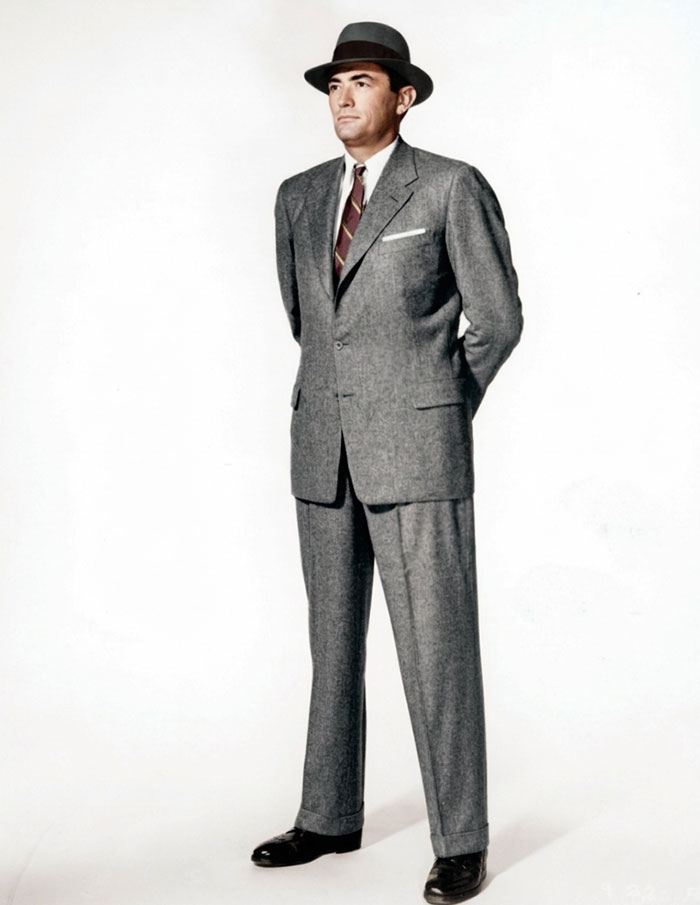
Post-war prosperity brought a desire for order. In America, the gray flannel suit became a symbol
of corporate life. On university campuses, the Ivy League style introduced the sack suit: a
natural-shouldered, undarted jacket with a relaxed fit and narrow lapels. Toward the end of the
decade, a sleeker continental cut inspired by Italian tailoring gained popularity, with shorter
jackets and slimmer trousers.
The 1960s: sharp and slim
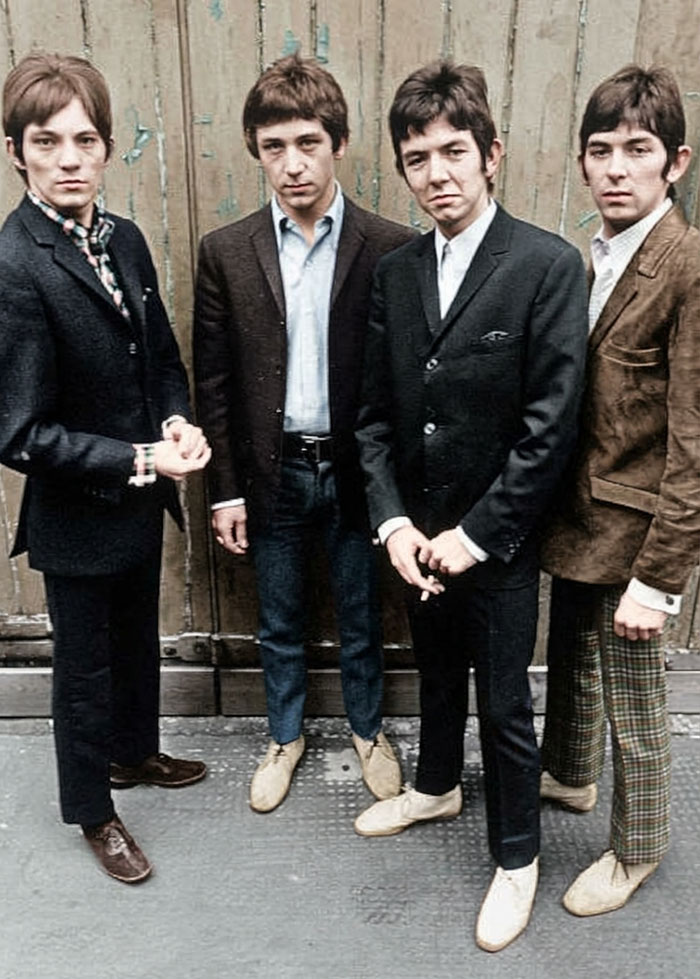
The sixties turned tailoring into a youth movement. In London, the mod subculture adopted slim-
cut suits with narrow lapels, short jackets and tapered trousers, often in mohair or tonic fabrics
with a subtle sheen. Designers experimented with collarless jackets, and pop musicians carried these styles to a global audience. Suits became tighter, cleaner and more fashion-forward than
ever before.
The 1970s: bold and expressive
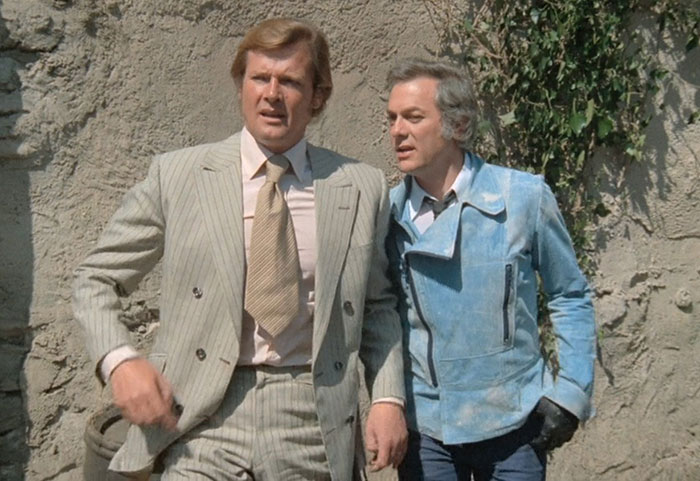
By the seventies, everything expanded. Lapels grew wide, ties followed and trousers flared
dramatically from the knee. Colors moved beyond navy and gray into browns, burgundies, rust
and even pastels. Three-piece suits made a comeback, often in textured fabrics or bold checks.
The decade also produced the leisure suit, a casual take on tailoring that captured the relaxed
spirit of the era.
What vintage eras offer today
Modern menswear borrows freely from all of these decades. The high-waisted pleated trousers
of the thirties, the natural shoulder of the Ivy look and the wider lapels of the seventies all appear
in contemporary collections of suits for men. The trick is to adopt one vintage element at a time
rather than recreating an entire period costume. A 1930s-inspired double-breasted jacket, for
example, looks timeless when paired with a modern shirt and shoes.
For vintage enthusiasts who want an authentic silhouette with a modern fit, custom made suits
offer a practical route. You can specify a higher trouser rise, a particular lapel width or a heavier
cloth reminiscent of a specific decade, while benefiting from contemporary construction and your
own measurements.
Lessons from the archive
Every decade proves that proportion is the essence of style. Broad or natural shoulders, wide or
slim trousers and narrow or generous lapels each create a different impression. Choose the era
whose proportions flatter your build, borrow its most characteristic detail and combine it with
modern fit and fabrics. That way, vintage inspiration looks intentional rather than theatrical.
That’s all ! © Glamourdaze