You couldn’t miss Joan Collins on Dynasty. Power suits with shoulders that could knock someone over, jewelry that caught every light in the room—the woman knew how to make an entrance. Nothing about ’80s fashion was quiet. Big hair, big statements, big everything.
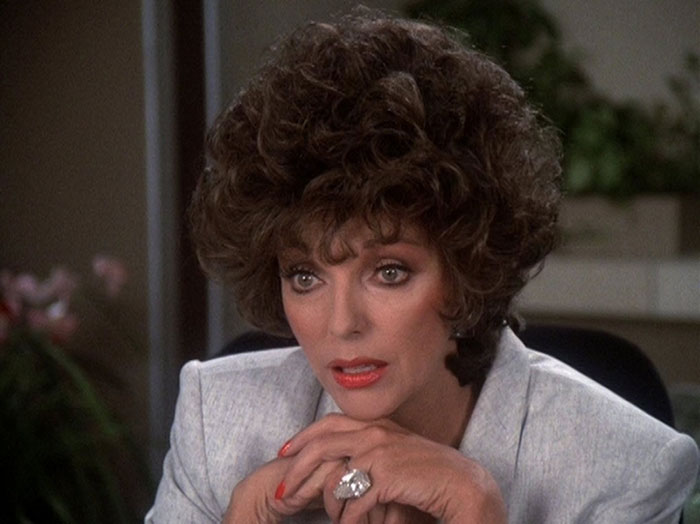
Trilogy rings fit right into that world. Three stones sitting together, each one meaning something different. Past, present, future. The whole love story wrapped up in one piece of jewelry that absolutely refused to be ignored.
How We Got Here: Edwardian Tea Parties to Studio 54
Trilogy rings didn’t just appear out of nowhere in the 1980s, though. They’ve been around, changing with the times, picking up new ideas along the way.
Back in the Edwardian period (early 1900s), jewelry was all lace and romance. Delicate platinum work, stones that whispered rather than shouted. The avant-garde crowd was just starting to mess with Art Nouveau—those flowing, curvy designs that looked like they’d been pulled from a fever dream. Three-stone rings existed, but they were refined. Polite, even.

Art Deco hit in the 1920s and threw all that out the window. Suddenly everything was angles and geometry. Lines that looked like they’d been drawn with a ruler. Cartier and Van Cleef & Arpels started playing around, putting an emerald-cut in the middle with sharp baguettes on either side. The three stones weren’t just sitting there anymore—they were making a point.
Then the middle of the century came around and jewelry got weird in the best way. Abstract art was everywhere. Designers started treating the three stones like little sculptures, leaving gaps, playing with balance. The rings weren’t just about what the stones meant—they were about how they looked together in space.
So by the time we hit the 1980s? Trilogy rings had soaked up decades of experimentation. All that history, all those wild ideas, and then the ’80s cranked the dial to eleven. These rings weren’t elegant anymore. They were events.
What the Three Stones Actually Mean
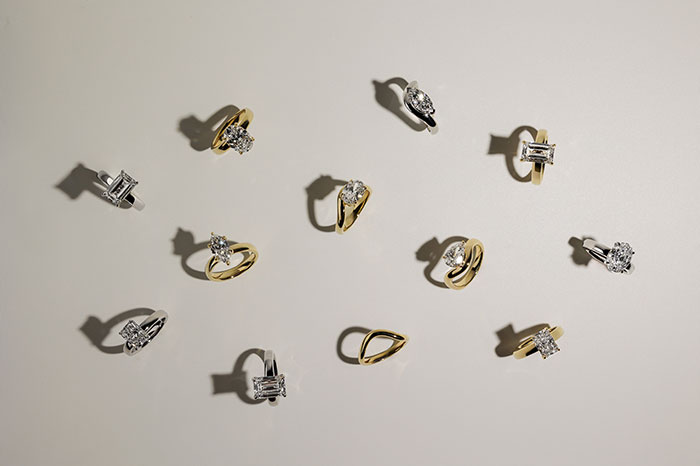
Look, the symbolism is pretty straightforward, but that doesn’t make it less meaningful. One stone for where you’ve been. One for where you are. One for where you’re going.
The ’80s loved this. Everything was grand gestures back then—remember John Cusack with that boom box? People weren’t shy about showing what they felt. A trilogy ring said “I’m serious about this” in a way that couldn’t be missed.
The First Stone
This one’s your starting line. First conversation, first kiss, that moment when you realized this person was different. In Joan Collins’ time, it connected back to family history and tradition. Now jewelers still honor that, but they’re sourcing stones ethically, thinking about sustainability. Tradition doesn’t have to mean stuck in the past.
The Middle Stone
Usually the biggest one. It’s about right now—the life you’re actually living together. Not what you remember or what you’re planning, but what’s happening today. Collins herself was like that center stone: impossible to miss, full of energy, completely present.
The Last Stone
Here’s where the dreaming happens. Back in the ’80s this meant success, money, climbing higher. These days it’s more about whatever future you’re building. Could be a house, could be kids, could just be the promise that you’ll keep figuring things out together.
Why Designers Keep Coming Back to the ’80s
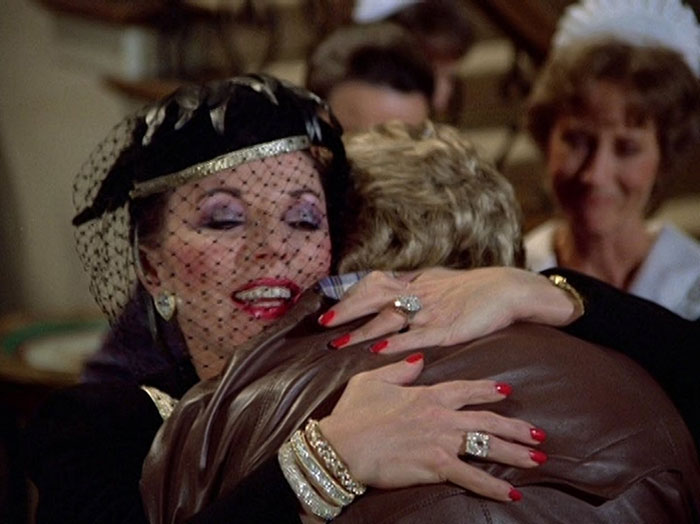
You see it everywhere—fashion collections pulling from that decade, using those bold shapes and that fearless attitude. Trilogy rings do the same thing. Dramatic settings, stones cut in different ways, bands that have some weight to them.
But here’s the thing: modern versions tone it down just enough. You still get that impact, that statement-making quality. Just without looking like you raided your grandmother’s safety deposit box. It’s ’80s energy filtered through 2020s sensibility.
Joan Collins and the Art of Wearing Jewelry Like You Mean It
She wasn’t just accessorizing. Every piece said something. Caught attention on purpose. That was the whole point of ’80s jewelry—confidence you could see from across the room.
Trilogy rings today carry some of that same attitude, just updated. Bold but not over the top. Meaningful without hitting you over the head about it.
Cullen Jewelry’s trilogy rings actually pull this off really well. They’ve taken that ’80s audacity and run it through modern craftsmanship. Sustainable practices, contemporary design sensibility, but still that unmistakable presence. Feels both classic and current, which is harder to do than it sounds.
Why They Last
Trends burn out fast. Trilogy rings don’t. You can wear one vintage-style with all the drama, or keep it simple and modern. Traditional diamonds or something with color. However you want to do it, the design works. Plus the meaning is built in—you don’t have to explain anything.
If you care about jewelry that’s actually crafted well and means something beyond just looking nice, trilogy rings hit both marks.
Bringing Back the Glamour (But Make It Current)
This isn’t about nostalgia for shoulder pads and hair spray. It’s about taking what worked from that era—the boldness, the refusal to be boring—and making it fit how we actually live now.
We want jewelry that looks incredible, sure. But also tells our story and lines up with what we care about. Sustainability matters. Ethical sourcing matters. And yeah, a little bit of that unapologetic glamour matters too.
These rings aren’t sitting in a museum case. They’re living pieces that say something about romance, about being yourself, about not apologizing for wanting something beautiful and meaningful.
Connecting Then and Now
What’s remarkable about trilogy rings is how they pull together different moments in time. The ’80s boldness is there. So is the romance from way back. And the modern consciousness about materials and ethics.
Whether you love them for the symbolism, the aesthetics, or that whole fascinating journey through Art Deco and mid-century design, trilogy rings work for people who want their jewelry to actually matter.
They’re not just rings. They’re conversations—between past and present, tradition and new ideas, subtlety and statement. That’s what good jewelry should do, right? Mean something beyond just looking pretty on your hand.
That’s all ! © Glamourdaze
This post contains a paid partner link.