
Understanding 1920s college fashion means recognizing it wasn’t just parties and jazz clubs. It was young women creating practical, stylish wardrobes that let them move freely through new educational opportunities.
The 1920s college girl knew style wasn’t about expensive clothes or following every trend. It was wearing what suited your life and wearing it with confidence. That lesson works in any decade.
What College Girls Actually Wore
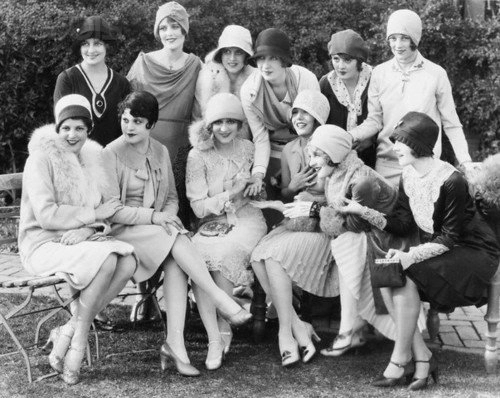
College girls styles on campus in the 1920s weren’t full of beaded flapper dresses. Those were for speakeasies. Daily campus wear was practical but still showed the decade’s style.
Typical college wear meant middy blouses with pleated skirts. These skirts hit mid-calf, shorter than mom wore but not scandalous. Sweaters became huge – cardigans and pullovers in bold colors over blouses. Peter Pan collars appeared everywhere, giving that youthful look.
For cold weather, coats with fur collars were popular if you could afford them. Most students layered wool coats over regular clothes. Cloche hats are protected from weather while looking good. These bell-shaped hats fit snug and sat low over the forehead.
Managing Campus Life
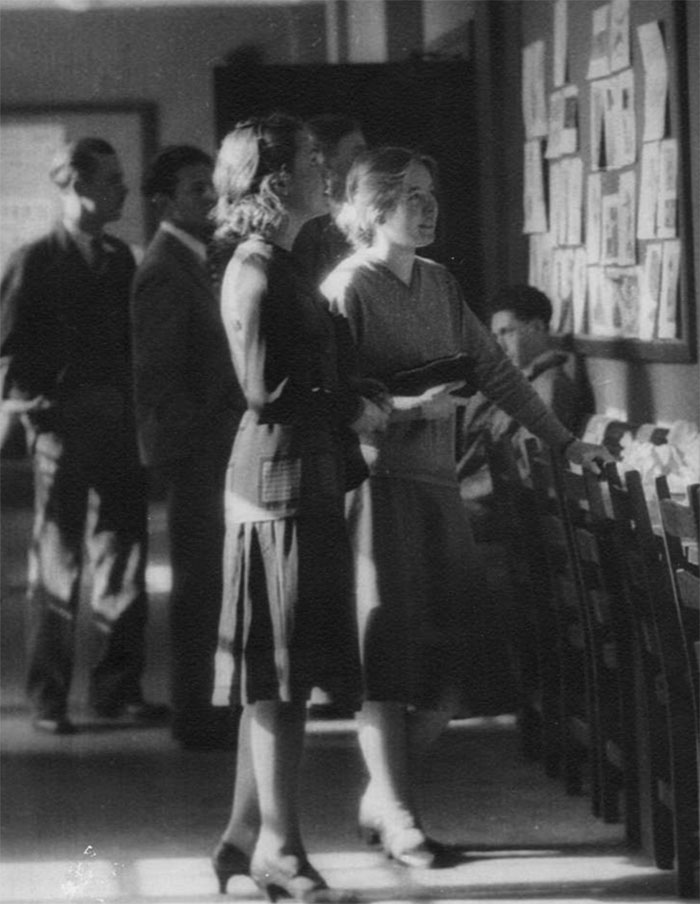
College in the 1920s meant navigating new freedoms alongside old expectations. Young women attended lectures, joined clubs, wrote for campus papers, organized events. Busy schedules required staying organized. Students handled registration paperwork, club forms, and letters home.
Modern students face similar demands, managing multiple things at once. Campus life requires organization across activities and tight deadlines. The essay writers at PapersOwl offer support students can use during especially demanding periods. These non-AI services provided by verified human writers help students manage their workload when things pile up. With their help, modern students can figure out their own approach and deliver genuine personal written pieces of their own. In the 1920s this role was offered by tutors, whose private one-to-one tuition, only the wealthier college girls’ parents could afford.
The Pieces Every College Girl Had
Certain items appeared in every 1920s college wardrobe. Not expensive designer stuff but affordable basics you could mix and match.
The drop-waist dress was essential. This moved the waistline to the hips, creating that straight figure the decade loved. College girls wore simpler versions than evening wear. Cotton or wool day dresses in solid colors rather than beaded silk.
Pleated skirts were everywhere. They moved well, didn’t wrinkle, worked with various tops. Paired with a blouse and cardigan, you had the college look.
Saddle shoes became the campus footwear. These two-tone lace-ups were comfortable for walking and looked sporty. Mary Jane shoes with low heels worked for dressier times.
Hair and Beauty on Campus
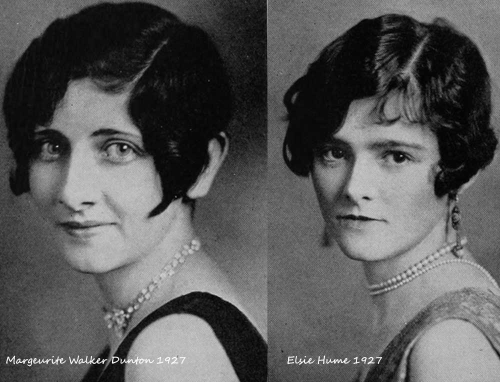
The bob haircut with Marcel waves defined 1920s women’s style. College girls grabbed it despite grandma calling it scandalous. Standard bobs hit between ear and chin, often with bangs.
Not every college girl cut her hair though. Some kept it long but styled it to look bobbed – pinning up or using waves. This satisfied conservative families while still looking modern.
Makeup became more okay during the 1920s but stayed subtle on campus. A bit of powder, light rouge, maybe lip color for evening. Heavy makeup was still for actresses, so most college girls kept it natural during the day.
The Budget Reality
College budgets haven’t changed in 100 years. Most 1920s college girls had limited funds and stretched their wardrobes. They sewed their own clothes, updated old pieces, borrowed from roommates.
This meant focusing on versatile pieces. A good wool skirt got worn multiple times weekly with different tops. One nice dress served all formal events with different accessories.
Sports and Active Wear
The 1920s saw huge growth in women’s sports. College girls played tennis, swam, played field hockey and basketball. This needed clothes that allowed movement.
Tennis dresses were shorter than regular wear, hitting just below the knee. White or cream, simple design, comfortable. Swimming costumes covered more than today but showed arms and legs – revolutionary then.
For other sports, bloomers or divided skirts allowed movement while maintaining modesty. These practical pieces showed how college girls balanced tradition with new freedoms.
Evening Wear and Parties

1927 evening formal dresses
College social life included dances, dinners, parties. These needed fancier clothes than daywear. This is where college girls could experiment with dramatic 1920s trends.
Evening dresses had the decade’s signature elements: drop waists, shorter hems, embellishments. Beading, sequins, fringe appeared on party dresses though usually less than adult evening wear. College budgets meant simpler versions of high-fashion looks.
Colors for evening ran bold – deep reds, emerald greens, royal blues. Metallics like gold and silver were popular. Black became okay for young women during the 1920s, previously considered too mature.
Accessories That Made the Look
Accessories made or broke a 1920s outfit. The right details elevated simple clothes into style.
Long strands of pearls or beads were essential. College girls wore these in various lengths, sometimes knotted, sometimes wrapped multiple times. Not necessarily real pearls – costume jewelry became acceptable and affordable.
Headbands appeared for evening, though elaborate feathered versions were less common on campus than in clubs. Simple ribbon or jeweled bands across the forehead created the look.
Gloves were still expected for formal times. Short gloves in kid leather or cotton were standard. Longer gloves for evening.
Scarves added color to outfits. Silk scarves tied at the neck or draped over shoulders updated basic pieces easily.
Key Elements of College Style
The college approach to 1920s fashion included consistent elements:
- Drop waist shapes – lower waistline created the decade’s look
- Modest hems – shorter than before but still covering knees for daily wear
- Layered outfits – blouses, sweaters, cardigans mixed for versatility
- Straight figures – straight lines rather than corseted curves
- Practical fabrics – cotton, wool, simple silks that held up daily
- Subtle accessories – pearls, headbands, scarves that added style
Adapting for Modern College
Modern students can borrow from 1920s college fashion without looking costumey. Take inspiration rather than exact copies.
Drop-waist dresses still appear today. Look for modern versions in current fabrics. The shape flatters many bodies by not emphasizing natural waist.
Pleated skirts remain a staple. Pair them with modern tops for an updated collegiate look. The movement never goes out of style.
Cloche-style hats work as fall and winter accessories. Modern versions come in various materials and add vintage touch to contemporary outfits.
The layered approach works perfectly for campus today. Cardigans over blouses or tees, multiple necklaces, scarves – all wearable ways to channel 1920s collegiate style.